Oil Prices Jump Amid US-Iran Military Posturing
Geopolitical tensions rise as U.S. military posturing toward Iran rattles oil markets. President Trump's deployment of an "armada" and Iran's internal unrest amplify concerns, impacting global energy prices despite a currently well-supplied market.
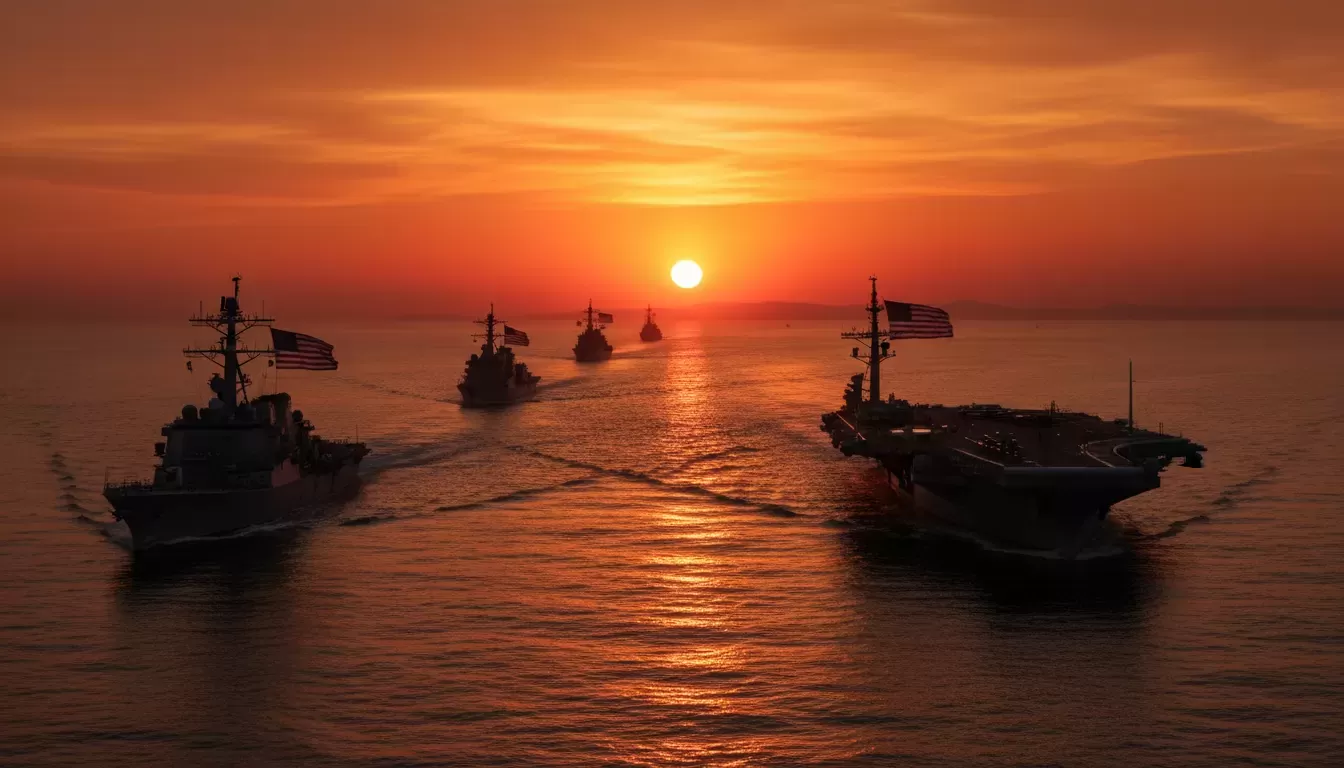
Recent signals from the White House regarding a heightened naval presence in the Middle East have reignited concerns over regional stability, sending ripples through global energy markets. President Donald Trump recently indicated that a significant naval flotilla is moving toward the Persian Gulf as a precautionary measure. This strategic positioning serves as a blunt warning to Tehran, particularly regarding its nuclear ambitions, and has led to an immediate uptick in crude oil valuations as traders weigh the risks of potential supply interruptions.
International energy benchmarks responded sharply to the news. Brent crude futures saw a climb of nearly 2%, pushing prices toward $65 per barrel. Similarly, U.S. West Texas Intermediate experienced a comparable surge, trading above the $60 mark. This price action reflects the sensitivity of the market to any rhetoric suggesting military friction in a region that remains the heartbeat of global oil production.
Domestic Unrest and Economic Factors
The escalating tensions coincide with a period of intense internal volatility for Iran. Reports from human rights organizations highlight a significant crackdown on domestic protests, which were initially triggered by a severe economic downturn. The Iranian public has expressed growing frustration over the collapse of the national currency and the surging cost of essential goods. While the U.S. administration had previously suggested a cooling of tensions, the latest deployment of naval assets indicates a return to a "maximum pressure" stance, keeping market participants in a state of high alert.
Strategic Pathways for Iranian Oil
Market researchers at Rystad Energy suggest that the future of Iranian oil exports likely hinges on three distinct possibilities:
- A continuation of the current status quo under heavy sanctions.
- A diplomatic breakthrough or successful negotiation with Washington.
- Drastic shifts in the governing structure resulting from external pressures.
A primary concern for the global economy remains the Strait of Hormuz. As one of the most critical maritime chokepoints in the world, any disruption to this waterway would likely lead to a dramatic spike in shipping expenses and significant delays in global deliveries. Currently, Iran's export economy is almost entirely dependent on China, which absorbs the vast majority of its remaining oil output. However, experts question the long-term viability of this trade model if regional conflict escalates.
Assessing Market Resilience
Despite the looming threat of conflict, many analysts suggest that the global energy sector is better equipped to handle volatility than it was in previous decades. Representatives from major oil producers, including Saudi Aramco, have noted that the market remains well-supplied. They argue that the diversification of global energy sources provides a necessary buffer against localized disruptions.
While a military strike or a blockade could cause temporary price spikes, financial rating agencies point to a general oversupply in the global market as a stabilizing factor. The consensus among many industry observers is that while the geopolitical theater creates significant noise and short-term fluctuations, the underlying mechanics of global supply and demand remain resilient enough to prevent a total energy crisis.