Nexo's Steep Sales Decline Highlights FCEV Challenges
Hyundai's Nexo fuel-cell vehicle faces a dramatic sales collapse, selling only five units in 2025. This positions it as Hyundai's worst performer, struggling against its own popular models and the surging popularity of hybrids.
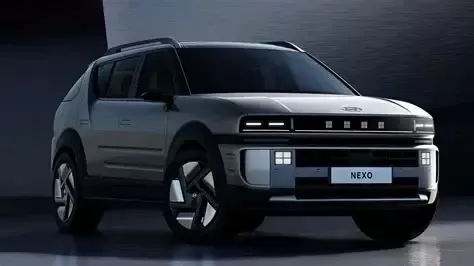
The Hyundai Nexo is facing a steep sales decline, with a mere five units sold in 2025. This puts it firmly in the position of Hyundai's worst-selling model, a stark contrast to the brand's popular offerings like the Elantra, Tucson, and Santa Fe, which saw significant year-over-year increases. While Hyundai generally produces well-received vehicles across various market segments, the Nexo stands out as a considerable underperformer. The drastic drop in sales, from 94 units in 2024 to just five in 2025, a staggering 95% decrease, points to more than just its limited availability.
The Nexo's Niche Appeal Struggles to Gain Traction
A key factor contributing to the Nexo's low sales is its classification as a fuel-cell electric vehicle (FCEV). Like the Toyota Mirai, the Nexo is primarily sold in California, the only state with a somewhat developed hydrogen refueling infrastructure. However, even this limited market isn't enough to buoy its sales.
The scarcity of hydrogen fueling stations across the United States is a major deterrent for potential buyers. Beyond the infrastructure issue, the Nexo carries a substantial price tag, starting around $63,000 for the base model. This makes it considerably more expensive than comparable gasoline-powered SUVs from Hyundai, such as the Santa Fe, which starts at a more accessible $47,600 and offers a long list of standard features. The novelty of hydrogen power, combined with these practical concerns, appears to be alienating many American drivers who are seeking more conventional and convenient transportation solutions. Furthermore, Hyundai itself offers a strong lineup of battery-electric vehicles (BEVs) that provide a more established and accessible charging network, making them a more appealing choice for eco-conscious consumers.
The Broader Landscape for Hydrogen and Electric Vehicles
The struggles of the Nexo mirror the challenges faced by other FCEVs on the market. Toyota's Mirai, another prominent hydrogen fuel-cell vehicle, also experienced a significant sales dip in 2025, selling only 210 units, a 57.8% decrease from the previous year. Despite California's efforts to build out hydrogen refueling capabilities, the overall demand for these vehicles remains weak.
The broader electric vehicle market is also facing headwinds. In 2025, a reduction in federal tax incentives and rising new car prices have impacted EV sales. If even the more established BEVs, with their superior charging infrastructure, are facing market challenges, the outlook for FCEVs like the Nexo is considerably more difficult. With many consumers still evaluating the role of EVs in their future, FCEVs have a long and arduous path ahead to gain widespread acceptance.
Hybrids Emerge as the Consumer Favorite
In stark contrast to the struggles of FCEVs, hybrid vehicles are experiencing unprecedented popularity. Toyota's Camry Hybrid enjoyed its "best-ever year" in 2025, and Ford reported record hybrid and plug-in hybrid sales, totaling over 228,000 units in America for the year – a 21.7% increase. This surge in hybrid adoption highlights a clear consumer preference for electrified powertrains that offer a balance of efficiency and convenience, without the range anxiety or infrastructure limitations associated with hydrogen. Many of the most popular automotive brands are now integrating hybrid options into their best-selling models, signaling a significant shift in consumer priorities. The era of the hybrid vehicle, whether it's a car, truck, or SUV, is in full swing, demonstrating that consumers are embracing electrification in a practical and accessible way.