Aldi's Aggressive Expansion: Cheaper Groceries Drive Growth
Aldi is aggressively expanding its U.S. store count, strategically targeting established grocery markets. This expansion capitalizes on shifting consumer priorities towards value and private-label quality, intensifying competition for traditional grocers.
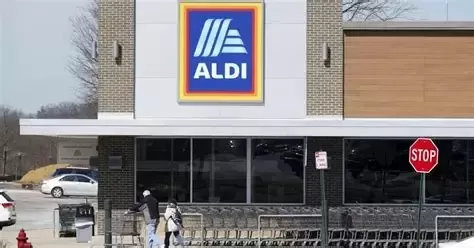
As household budgets tighten across the economic spectrum, one grocery chain is accelerating its U.S. footprint. A prominent discount retailer has announced plans to add over 180 new locations this year, strategically expanding into areas long dominated by conventional supermarkets and big-box retailers.
This move continues a decade of rapid growth for the chain, which now ranks as the nation's third-largest grocer by number of stores. Following a record-setting year of nearly 200 new openings, the company's presence has grown to over 2,600 stores. Beyond physical expansion, the retailer is set to enter its 40th state, relaunch its digital platform, and establish new distribution centers across several key regions over the next five years.
The Shift in Consumer Shopping Habits
The American grocery landscape, traditionally fragmented among regional chains, specialty markets, and large operators, is experiencing a notable shift. Discount grocers are capturing a larger share of weekly shopping trips, intensifying competition for traditional players.
Industry leadership points to a fundamental change in shopper priorities. Consumers are increasingly savvy, prioritizing value and efficiency over expansive selection and lavish store environments. The appeal of private-label products, which offer quality at lower prices, has never been stronger. Recent surveys indicate this trend is most pronounced among younger and more affluent demographics, with significant year-over-year declines in the share of grocery spending allocated to traditional supermarket channels.
Analysts note that large supermarket chains are feeling the pressure as discounters successfully challenge the perception that low cost means lower quality. Shoppers have learned that these stores reliably offer high-quality fresh food and dependable store brands, conveniently located and consistently in stock. The widespread acceptance of private labels at major membership clubs has further paved the way for this shift.
A Distinct Model Built for Efficiency
The retailer's strategy diverges sharply from conventional grocers in several key aspects:
- Smaller Store Footprint: Stores average around 10,000 square feet—a fraction of a typical supercenter's size—allowing for lower operational costs.
- Curated Selection: A focused assortment, over 90% of which consists of private-label items, reduces choice overload and streamlines the shopping experience.
- Operational Innovations: Efficiency touches every detail, from multiple barcodes for faster checkout to a quarter-deposit system for shopping carts. Merchandise is often displayed in shipping cartons or on pallets.
This model is designed to save customers both money and time. The limited selection is carefully managed to include trendy and innovative products, from collagen drink mixes to avocado oil. A central "Finds" aisle features rotating seasonal and specialty items, creating a "treasure hunt" experience that encourages repeat visits.
This approach does have a trade-off: shoppers may not find every specific national brand on their list. Company executives acknowledge this, stating their goal is to be the first, not necessarily the only, stop on a shopping trip.
Cultivating a Devoted Customer Base
For a growing number of shoppers, the model's simplicity and value inspire strong loyalty. Customers report going significantly out of their way to shop at these stores, calculating that the savings outweigh the travel time or delivery fees compared to local neighborhood markets.
The appeal extends beyond staples. Loyal customers often develop a fondness for the rotating specialty items, from kitchen gadgets and holiday decor to limited-edition food products. This engagement transforms routine grocery shopping into a more personalized experience, building a community of dedicated followers who integrate the brand into their daily lives and even their personal identity.
While the discounter's overall market share remains modest compared to industry giants, its growth in customer traffic significantly outpaces the broader sector and its major competitors. This traction is prompting responses from rivals, many of whom are emphasizing price investments and value positioning in their own strategies. The competitive landscape confirms that the demand for quality, convenience, and fundamental value is reshaping where America chooses to buy its groceries.