Uncovering the Hidden LGBTQ+ History of British Suburbs
A new book shifts focus from iconic urban LGBTQ+ stories to explore the nuanced, often hidden lives and histories within suburbs, blending personal journey with social history.
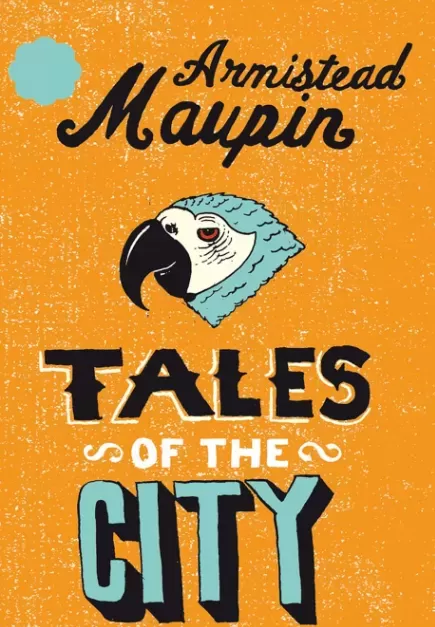
For decades, queer literature has heavily leaned into urban environments. The defining narratives of self-discovery often took place against the backdrop of bustling metropolises, famously championed by authors like Armistead Maupin. His iconic series Tales of the City cemented the idea of San Francisco as a sanctuary for those discovering their authentic selves. However, a highly anticipated alternative history by social historian John Grindrod flips this script entirely. Instead of concrete jungles and neon-lit streets, this new exploration dives into the quieter, often overlooked lives of LGBTQ+ individuals navigating the British suburbs.
Defining the Undefinable Suburbia
Pinning down exactly what constitutes suburban life is notoriously tricky, but Grindrod tackles the ambiguity with remarkable ease. He explores how these areas are defined not just by geography but by complex layers of social class. The environments featured in Tales of the Suburbs are vastly diverse. Readers are transported across the country, experiencing stories from varying landscapes that include:
- Commuter towns orbiting London
- Coastal peripheries near Portsmouth and Hull
- Quiet pockets of Glasgow and Wilmslow
- A small Lincolnshire village where a gay builder finds unexpected solidarity and protection from homophobic slurs thanks to the local pub darts team
Personal Anecdotes Meeting Rigorous Research
Armistead brings his own lived experience to the table, having grown up in Croydon before settling in Milton Keynes. He kicks off the narrative with a highly relatable joy: discovering LGBTQ+ neighbors living right next door. This personal investment shines through the rich tapestry of stories he presents. The book is far more than a simple historical recounting. It seamlessly blends extensive archival research, newsletter excerpts, and library records with fresh, original interviews. Interestingly, the narrative also weaves in architectural commentary, drawing fascinating parallels between the rise of bay windows and the subversive Arts and Crafts movement.
Finding Humor in Everyday Eccentricities
Despite dealing with heavy themes, the text is peppered with distinct, observational comedy reminiscent of classic British television. Grindrod possesses a keen eye for the tragicomic elements of everyday life. One standout moment details a young lesbian in the mid-eighties whose dreams of serving in the military were crushed by discriminatory bans. Settling for retail work instead, the author dryly observes that working at a department store like Debenhams, despite its flaws, was at least legally permissible for a queer woman.
The narrative structure often mirrors short fiction, with brief chapters capturing incredibly bizarre and intimate moments. Standout tales include the following scenarios:
- A surreal evening involving a pub pickup that ends with an awkward introduction to a dentist's entire immediate family.
- A deeply touching story from rural Somerset where a farmer comes out to his daughter, subsequently introducing her to a hidden underground club scene in Taunton.
Confronting a Darker Historical Reality
While there is plenty of warmth, the historian does not shy away from the harsh realities of the twentieth century. Deeply researched sections transport readers to an era fraught with prejudice. These chapters document brutal police interventions, the necessity of secretive phone lines, and the devastating, sweeping loss caused by the AIDS crisis. Furthermore, the long-lasting trauma inflicted by Section 28—legislation actively suppressing LGBTQ+ visibility in schools until the early 2000s—is explored in depth. These historical currents manifest in deeply personal ways, from vandalized garage doors and severed family ties to bonds forged stronger through adversity.
The Resilient Pursuit of Community and Home
Ultimately, the survival and thriving of these individuals relied entirely on finding community. Over the decades, localized gatherings empowered people to embrace their identities away from the urban spotlight. These crucial lifelines took many forms, including niche alternative music nights, quiet coffee mornings, and eccentric localized events like a queer treasure hunt in Tunbridge Wells.
Looking toward the future, modern culture has completely transformed the landscape for queer youth, allowing the book to conclude on an uplifting note. The paths of the people chronicled here diverge wildly. Many escaped the suburbs at their first opportunity, while others remained rooted in their hometowns. Some inevitably returned to care for aging relatives, discovering a renewed sense of belonging. Through exploring the complicated realities hidden behind net curtains, this historical account beautifully redefines what it truly means to find your way home.