Venezuela Capture: Gas Prices Unlikely to Fluctuate
The capture of Venezuelan President Nicolas Maduro has raised questions about U.S. gas prices. Experts believe immediate impacts are unlikely, but long-term implications for oil production and consumer costs remain uncertain.
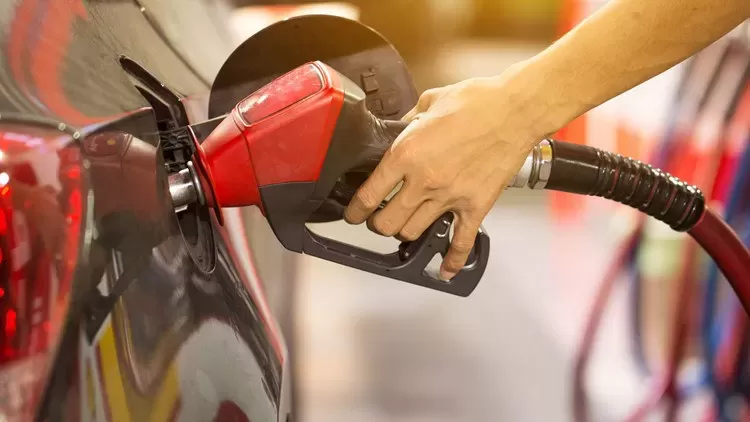
Following the recent high-profile operation by U.S. forces resulting in the detention of Venezuelan President Nicolás Maduro, American drivers are naturally questioning how this geopolitical shift might impact their fuel costs. Despite the dramatic nature of the raid and the subsequent arrival of the Venezuelan leader in New York to face legal charges, energy market watchers advise consumers not to expect immediate relief at the gas station.
Short-Term Market Outlook
Leading voices in the energy sector suggest that optimism regarding lower gas prices is premature. Patrick De Haan, the head of petroleum analysis at GasBuddy, cautioned that any measurable impact on consumer prices is unlikely to happen quickly. According to De Haan, restoring Venezuela's energy output is a long-term endeavor; even if successful, the eventual savings for drivers would likely be measured in pennies rather than significant price drops.
Financial analysts echo this sentiment, describing the near-term price outlook as "ambiguous." A research report from Goldman Sachs indicated that the market could move in two directions:
- Production Increase: A scenario involving a U.S.-backed government and the lifting of sanctions could slowly boost output.
- Supply Disruption: Conversely, internal conflicts or resistance from Maduro's remaining cabinet members could interrupt current oil deliveries.
Infrastructure Challenges and Investment
In a press conference following the operation, President Donald Trump outlined an aggressive strategy to revitalize Venezuela's energy sector. Highlighting that the country holds the world's largest oil reserves, he stated that the government-run industry has been "a total bust" with negligible output. The administration's plan involves major U.S. oil corporations investing billions of dollars to repair dilapidated infrastructure and monetize the resources.
Economic Realities vs. Optimism
Despite the administration's projections, industry experts remain skeptical about the timeline. Even under the best-case scenarios, introducing significant new supply to the global market would take years. Analysts question whether major oil companies will have the incentive to engage in such massive projects given the steep startup costs and lingering geopolitical risks.
Rachel Ziemba, an independent energy analyst, pointed out that the path forward will likely be more difficult than officials imply. She also noted a disconnect between raw material costs and consumer pricing. For instance, while crude oil prices saw a decline of nearly 20% in 2025, retail gasoline prices dropped by less than 10%.
Future Price Projections
Immediately following the weekend raid, crude prices experienced a slight uptick of approximately 1.5%. Looking ahead, Goldman Sachs forecasts a variance of only about $2 per barrel from their base case of $56 for Brent crude, depending on whether the transition of power proceeds smoothly or faces resistance.
For the average consumer, the bottom line remains conservative. While the potential influx of Venezuelan oil could help stabilize the market over the coming years, experts like De Haan warn drivers not to anticipate national gas averages dropping below $2 per gallon anytime soon.