Silent Protest Against AI Book Theft
Authors protest at the London Book Fair against AI firms using their work without permission, as the UK government weighs copyright law changes.
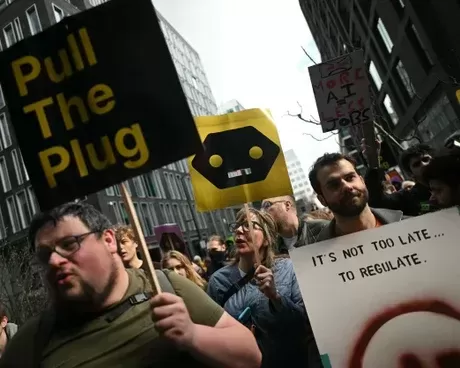
A powerful, wordless statement is being made at the London Book Fair this week. Thousands of prominent authors have contributed to a unique publication titled Don't Steal This Book, a volume whose pages contain nothing but a list of their names. This collective action is a direct protest against artificial intelligence companies using copyrighted literary works without permission or compensation.
The symbolic book, organized by composer and copyright campaigner Ed Newton-Rex, features names such as Kazuo Ishiguro, Marian Keyes, Richard Osman, and Malorie Blackman. It arrives just one week before a critical deadline for the UK government to assess proposed changes to copyright law that have sparked widespread alarm in the creative community.
The Core of the Copyright Dispute
At the heart of the controversy is the data-hungry nature of generative AI. These systems require immense volumes of text and imagery to train their models, often sourcing material from across the open web, including works protected by copyright. Authors and artists argue their livelihoods are being undermined by AI that directly competes with their original creations, built on what they call uncompensated theft.
Industry leaders echo this sentiment. Malorie Blackman stated that expecting AI firms to pay for the use of authors' books is a reasonable position. The protest book's back cover carries a blunt message to policymakers: "The UK government must not legalise book theft to benefit AI companies."
Government Proposals and Creative Industry Backlash
The UK government is currently consulting on a potential overhaul of copyright law concerning AI development. The primary proposal, which has drawn significant outrage, suggests allowing AI firms to use copyrighted material without the owner's permission, unless the owner has actively opted out. Prominent figures like Elton John have publicly criticized this approach.
Ministers have outlined several potential paths forward:
- Maintain the current copyright law without changes.
- Implement a licensing requirement, forcing AI companies to seek permission and pay for copyrighted works.
- Adopt a broad exception allowing AI training use without any opt-out mechanism for rights holders.
A further concern is the government's reluctance to exclude a copyright waiver for "commercial research," which creatives fear provides another loophole for unauthorized use of their work.
Industry Initiatives and Legal Precedents
Alongside the protest, the publishing industry is proactively developing solutions. Publishers' Licensing Services is launching a collective licensing initiative at the London Book Fair, aiming to create a legal pathway for AI companies to access published works lawfully.
The legal landscape is already shifting. Last year, AI firm Anthropic agreed to a multi-billion dollar settlement to resolve a class-action lawsuit brought by authors who alleged their works were pirated for AI training. Such cases highlight the growing global legal challenges faced by the AI industry regarding its data sources.
A government spokesperson reaffirmed the commitment to a copyright framework that protects creativity and fosters innovation, promising an update to parliament by the stipulated deadline of March 18th. As this date approaches, the silent pages of Don't Steal This Book speak volumes about the rising tensions between technological advancement and creative rights.