Iran Tensions Ripple Global Oil Markets
Renewed US rhetoric on Iran and domestic protests are heightening global oil market fears. With limited spare capacity and Iran's strategic chokehold on vital waterways, even modest supply disruptions could trigger significant price volatility.
Renewed rhetoric from President Donald Trump regarding Iran has sent ripples through global oil markets, igniting concerns about potential supply disruptions. While Iran's daily oil production of approximately 3.4 million barrels is modest compared to giants like the U.S. and Saudi Arabia, which produce around 13.5 million and 9.5 million barrels per day respectively, the nation's strategic location and the unpredictable nature of geopolitical tensions have a disproportionate impact.
Fear Drives Market Movement
Energy markets have become particularly sensitive to developments in Iran, especially following a recent surge of protests within the country. These domestic disturbances, fueled by a significant devaluation of the Iranian rial, have coincided with bellicose statements from the U.S. administration. Helima Croft, global head of commodity strategy at RBC Capital Markets, noted that the current market volatility is largely driven by "fear" and anxieties surrounding the possibility of supply interruptions.
Escalating Tensions and Military Posturing
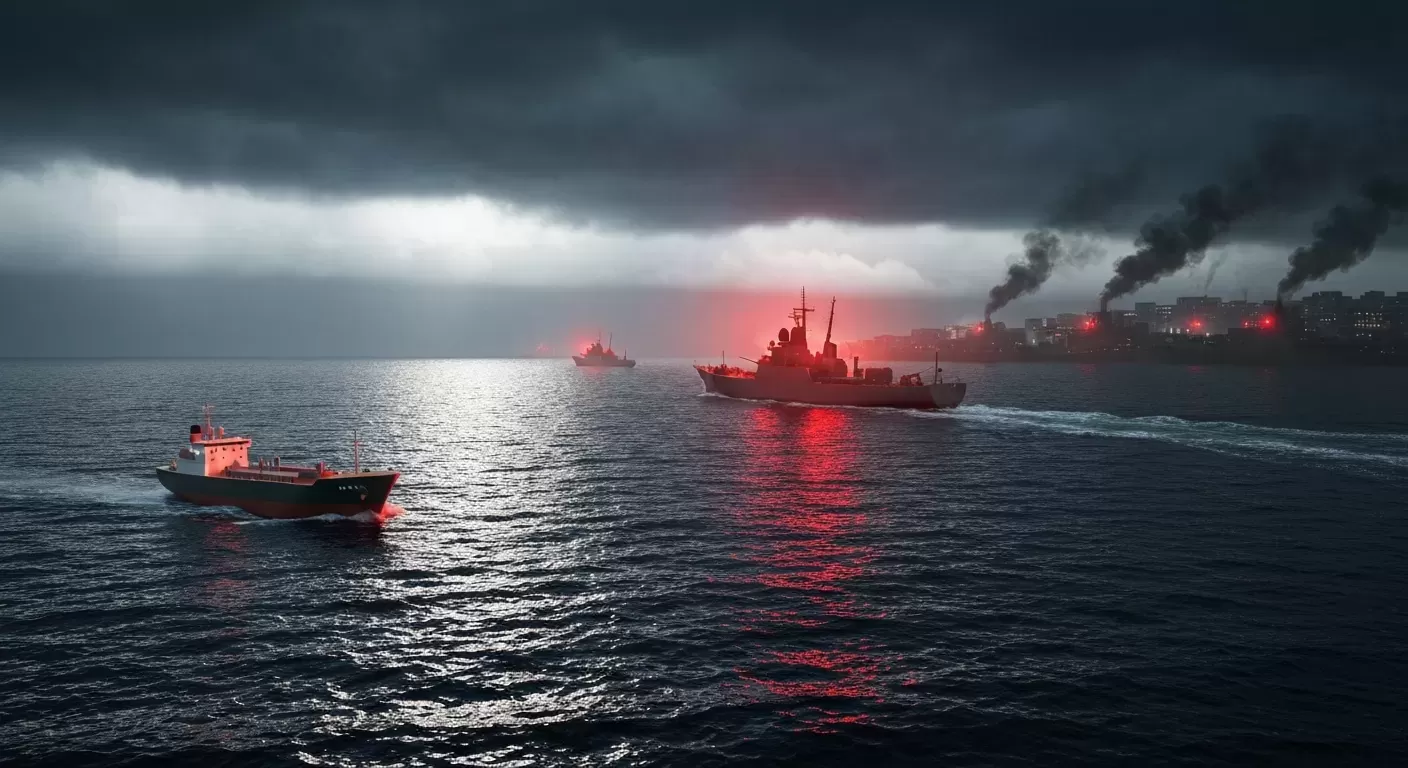
The heightened tensions between the U.S. and Iran were underscored by President Trump's public statements on Thursday, indicating the deployment of a "big flotilla" to the region "just in case." These remarks come at a time when reports suggest a severe human rights situation within Iran, with thousands of alleged deaths linked to the ongoing protests. President Trump has also publicly intervened in the domestic affairs of Iran, citing concerns over capital punishment.
Limited Spare Capacity and Regional Risks
Although the global oil market is currently well-supplied, the capacity for quick replenishment in the event of a significant disruption is notably reduced. OPEC and its allies, responsible for approximately 40% of global oil output, had increased their production in the previous year, thereby diminishing available spare capacity. Croft warns that a confrontation leading to the loss of Iranian oil exports would leave little buffer in the existing OPEC "tank" to compensate.
Furthermore, the specter of a broader regional conflict contributes to market unease. Iran's strategic position adjacent to major oil-producing nations like Saudi Arabia, and its control over critical waterways such as the Strait of Hormuz, amplifies these concerns. The Strait of Hormuz is a vital chokepoint, with roughly 20% of global crude oil passing through it. Past incidents, including Iran's alleged targeting of tankers and infrastructure in the Gulf in 2019, highlight the vulnerability of these critical supply routes.
Sanctions and Their Impact
While President Trump has tempered immediate threats of direct military intervention, the imposition of 25% tariffs on countries doing business with Iran is moving forward. Existing sanctions have already significantly curtailed Iran's crude oil exports, with the majority now directed to independent Chinese refiners who acquire the oil at a discount. Analysts are questioning the further effectiveness of sanctions, suggesting that Iran's export market has already been substantially constrained, potentially limiting their ability to influence Iranian policy through further economic pressure.